Stain Removal in Southgate: Practical Solutions for Cleaner Homes, Offices, and Carpets
Stain removal in Southgate is a topic that matters to homeowners, tenants, landlords, business owners, and property managers alike. Whether you are dealing with a fresh coffee spill, a stubborn red wine mark, muddy footprints, pet accidents, or old carpet discoloration, the right approach can make a major difference. In a busy area like Southgate, where daily life moves quickly, stains can appear unexpectedly and spread faster than many people realize. Acting promptly and using the correct method helps preserve fabrics, flooring, upholstery, and interior finishes while also saving time and money.
What makes stain removal in Southgate especially important is the variety of materials found in local homes and commercial properties. Carpets, rugs, sofas, mattresses, curtains, tiles, and office seating all respond differently to spills and marking agents. A solution that works on one surface may cause fading, spreading, or permanent damage on another. That is why stain removal is not just about scrubbing harder; it is about identifying the stain, selecting the right treatment, and protecting the material underneath.
Many people searching for stain removal in Southgate are looking for both immediate fixes and long-term prevention. The most effective approach combines quick action, informed cleaning methods, and regular maintenance. From everyday household accidents to more challenging set-in stains, there are reliable ways to improve appearance and extend the life of your furnishings. This article explores the causes of staining, the best methods for different surfaces, and when professional help may be the smarter choice.
Why Stain Removal in Southgate Matters for Homes and Businesses
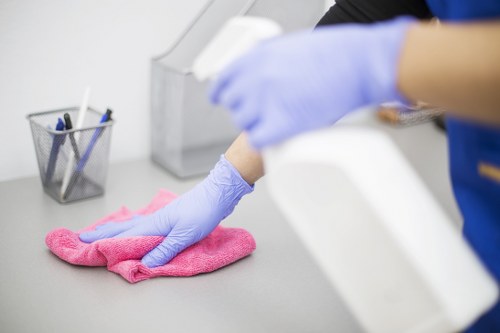
Stains are more than just visual annoyances. They can affect hygiene, comfort, and even the perceived value of a property. In homes, visible marks on carpets or sofas can make living spaces feel untidy, even when everything else is clean. In commercial settings, stained flooring or seating can create a poor impression on visitors, customers, and staff. Effective stain removal in Southgate supports both appearance and cleanliness.
For households, quick stain removal helps prevent permanent damage from liquids that soak into fibers or porous surfaces. Coffee, tea, juice, ink, makeup, grease, and pet-related spills can all become much harder to remove after they dry. In offices, retail units, and hospitality venues, routine stain control also supports a professional environment. Clean surfaces suggest care, organization, and attention to detail.
Stain removal in Southgate is also important because of the local climate and daily foot traffic. Rain, mud, and damp shoes can introduce dirt into carpets and rugs, especially in entryways and hallways. Over time, repeated staining can lead to dull-looking surfaces and embedded grime. Regular treatment reduces buildup and helps preserve the original texture and color of your materials.
Common Types of Stains and How They Behave
Not all stains are the same, and successful stain removal in Southgate starts with understanding the type of stain you are facing. Broadly speaking, stains can be grouped into water-based, oil-based, protein-based, dye-based, and particulate stains. Each category reacts differently to cleaning products and techniques. Knowing the difference can prevent damage and improve results.
Water-based stains include coffee, tea, soft drinks, and fruit juice. These are often easier to remove if treated quickly, but they can still leave visible marks if they contain strong dyes or sugar. Oil-based stains, such as cooking grease, salad dressing, makeup, and lotion, tend to cling to fibers and require a cleaning agent that can break down oils. Protein-based stains, including blood, milk, and food residue, should be handled carefully because heat can set them into fabric.
Dye-based stains are among the most frustrating because they can transfer color into carpet and upholstery fibers. Examples include wine, ink, turmeric, and certain sauces. Particulate stains, such as mud or soot, may seem simple but can become embedded in the pile of carpets if rubbed too aggressively. For stain removal in Southgate, matching the stain type to the right technique is essential for achieving the best outcome.
Why stain chemistry matters
The reason some stains resist cleaning is that they bond differently with surfaces. A liquid spill may spread outward, while an oily stain may penetrate deeply and attract dust. Understanding stain chemistry helps you avoid making the problem worse. For example, hot water may set some stains, while too much moisture may spread a mark across a larger area.
Quick Action Steps for Fresh Spills

The first few minutes after a spill are critical. When it comes to stain removal in Southgate, fast action often determines whether a mark can be fully removed or becomes a lasting blemish. The goal is to absorb excess material, reduce spread, and treat the stain gently before it sets.
Start by blotting the spill with a clean, dry cloth or paper towel. Avoid rubbing, because rubbing pushes the stain deeper into the fibers and can damage the surface. If the substance is thick, such as sauce or mud, lift away as much as possible before applying any cleaning solution. Use light pressure and work from the outside of the stain inward to prevent spreading.
After blotting, test a small hidden area if you plan to use a cleaner. This is especially important for upholstery, rugs, and colored fabrics. Some materials are sensitive to strong detergents or bleach-based products. A patch test can help you avoid fading, discoloration, or texture damage. For safe and effective stain removal in Southgate, patience and care are just as important as the product you choose.
Useful first-response tips
- Blot, do not rub.
- Use cool water unless the stain type requires another approach.
- Work from the outer edge toward the center.
- Avoid over-wetting carpets and fabrics.
- Test cleaners in an inconspicuous area first.
Stain Removal in Southgate for Carpets and Rugs
Carpets and rugs are among the most common surfaces requiring stain removal in Southgate. They absorb liquids quickly and can trap residue deep within the fibers. Because they are used daily, even small accidents can become noticeable very quickly. From pet stains to food spills, carpet care requires a balanced approach that cleans effectively without damaging the pile or backing.
For many carpet stains, blotting is the first step, followed by a suitable cleaning solution. Mild dish soap mixed with water can be useful for many water-based stains. For oily marks, a degreasing product may work better. However, carpet fibers vary widely, and natural materials such as wool may need a gentler treatment than synthetic fibers. Overuse of cleaning chemicals can leave sticky residue that attracts more dirt later.
Deep stain removal in Southgate often benefits from professional equipment. Steam extraction, hot water extraction, and targeted spot treatments can reach embedded dirt that household methods may miss. These techniques can be especially helpful for large areas, recurring stains, or carpets that have absorbed odors as well as discoloration.
Common carpet stain concerns
Carpet stains often include a mixture of liquids, oils, and dirt. A spilled drink may also carry sugar that leaves a sticky residue. Mud may dry on the surface, but fine particles can remain trapped in the pile. The best carpet stain removal strategy often includes pre-treatment, careful agitation, and thorough extraction.
Upholstery, Sofas, and Mattress Stain Removal
Soft furnishings require special care because they are often made from delicate or blended materials. Stain removal in Southgate for sofas, chairs, and mattresses should always begin with identifying the fabric type and checking manufacturer labels if available. Some textiles can handle water-based cleaning, while others respond better to solvent-based methods or low-moisture treatment.
Sofa stains from food, makeup, body oils, or drink spills can build up over time, especially in heavily used family rooms. Mattresses may be affected by perspiration, urine, or accidental liquid spills, and these stains can create odor concerns if they are not addressed properly. Gentle blotting, minimal moisture, and thorough drying are essential. Too much water can create rings, encourage mildew, or damage foam layers.
Professional upholstery stain removal in Southgate may include specialized tools for agitation, extraction, and drying. This is especially valuable for valuable furniture, antique fabrics, or large sectional sofas. When handled correctly, upholstery cleaning can refresh the appearance of a room and improve indoor comfort without compromising the integrity of the material.
Best practices for soft furnishings
- Check the cleaning code or care label.
- Vacuum before applying treatment to remove loose dirt.
- Use minimal liquid to avoid soaking the filling.
- Blot thoroughly and allow complete drying.
- Consider professional support for delicate fabrics.
Kitchen and Dining Area Stains
Kitchens and dining spaces are frequent hotspots for stain removal in Southgate. Grease splashes, sauce drips, coffee rings, and wine spills can affect tables, chairs, flooring, grout, and nearby textiles. Because these spaces are used for food preparation and entertaining, maintaining a clean appearance is especially important.
Grease stains are particularly challenging because they spread easily and resist plain water. A gentle degreasing cleaner or a fabric-safe detergent may be needed to break down the residue. For hard surfaces like countertops and tile, prompt wiping and proper rinsing can help prevent staining and sticky buildup. On fabric chair seats or table linens, blotting and pre-treatment are often more effective than aggressive scrubbing.
Dining area stain removal in Southgate also involves protecting surfaces from repeated exposure. Placemats, washable covers, and quick cleanup routines can reduce the chance of long-term damage. The sooner a spill is addressed, the less likely it is to leave a permanent shadow, especially on light-colored materials.
Food and beverage stains to watch for
- Coffee and tea
- Red wine
- Tomato sauce
- Cooking oil
- Chocolate and dessert residue
- Fruit juice and colored drinks
Bathroom, Hallway, and Entryway Stain Challenges
Entryways and hallways are often the first places where dirt and moisture enter a property, which makes stain removal in Southgate especially relevant in these high-traffic areas. Mud, salt, rainwater, and debris can create visible marks on rugs and carpets. Bathrooms present another set of challenges, with soap residue, mildew-related spotting, cosmetic stains, and water marks requiring careful attention.
Entryway rugs should be cleaned regularly because they catch the grit that shoes bring indoors. If mud is allowed to dry, it can be harder to remove and may become ground into fibers. Bathroom surfaces, meanwhile, may need a combination of spot cleaning and routine maintenance to prevent buildup. Using absorbent mats and enforcing a no-shoes policy indoors can reduce the frequency of stain problems.
Preventive care is a huge part of stain removal in Southgate. Small steps such as wiping shoes, using rugs, and cleaning spills immediately can save hours of future work. Prevention is not only practical; it also helps maintain a neat, welcoming environment.
High-traffic protection ideas
Place durable mats at entrances, clean them regularly, and rotate rugs so wear is more evenly distributed. In bathrooms, ventilate well after showers and address drips or splashes as soon as possible. These habits can reduce both staining and lingering moisture.
When DIY Stain Removal Works and When It Does Not
Many people prefer to handle stain removal in Southgate themselves, and for minor spills, that is often a reasonable choice. A fresh water-based spill on a synthetic carpet may respond well to blotting and a mild cleaning solution. Simple marks on washable fabrics can often be treated successfully at home if the process is done carefully.
However, there are times when DIY efforts may not be enough. Old stains, large spill areas, delicate fabrics, and unknown substances can all require a more cautious approach. Using the wrong product may worsen the stain or cause color loss. Strong scrubbing can distort fibers, while excessive moisture can spread the contamination below the visible surface.
For stubborn cases, professional stain removal in Southgate offers several advantages. Trained technicians understand different stain types, fabric compositions, and safe treatment methods. They can assess the problem accurately and choose tools that remove contamination without causing unnecessary wear. In many cases, this saves money by avoiding replacement costs.
Signs you may need professional help
- The stain is older or has already set.
- The material is delicate, expensive, or sentimental.
- The stain has spread across a large area.
- Odor is present along with the stain.
- Home cleaning has not produced results.
Professional Methods Used for Stain Removal in Southgate
Professional stain removal in Southgate may involve several advanced methods depending on the surface and stain type. One common approach is hot water extraction, which helps loosen debris from carpets and upholstery before removing it with powerful suction. This method is useful for many embedded stains and overall deep cleaning.
Another method is targeted spot treatment, where a technician uses specialized products designed for specific contaminants such as ink, gum, oil, or tannin-based stains. Some situations may require dry-cleaning techniques or low-moisture cleaning, especially when dealing with sensitive fabrics. The advantage of professional service is that each stain can be matched with a suitable treatment rather than a one-size-fits-all product.
Professionals may also use odor-neutralizing treatments when stains are linked with pet accidents, food spoilage, or moisture issues. In addition to improving appearance, this helps restore freshness to the space. Effective stain removal in Southgate is not only about visible cleanliness; it is also about creating a healthier, more comfortable indoor environment.
Benefits of expert treatment
- More accurate stain identification.
- Safer use of chemicals and moisture.
- Better results on deep or set-in marks.
- Reduced risk of fabric damage.
- Improved long-term appearance of furnishings.
Preventing Future Stains
The best stain removal in Southgate is often the stain that never happens. Preventive care is a smart investment for busy homes and commercial properties. Simple routines can dramatically lower the risk of accidents becoming permanent marks. These habits also make regular cleaning easier and less time-consuming.
Start by protecting high-use surfaces with washable covers, mats, runners, and protective finishes where appropriate. Encourage family members, employees, or guests to respond quickly to spills. Keep basic cleaning supplies close to areas where accidents are common, such as kitchens, dining areas, and lounges. A prepared environment makes quick cleanup far more likely.
It also helps to schedule periodic professional maintenance for carpets, upholstery, and soft flooring. Even when stains are not obvious, dirt and residue can accumulate and make materials more vulnerable to future marking. Routine care supports both appearance and durability, making stain removal in Southgate less of an emergency and more of a manageable part of property upkeep.
Simple prevention checklist
- Use doormats at every entrance.
- Blot spills immediately.
- Vacuum carpets regularly.
- Wash or clean covers and rugs often.
- Avoid eating or drinking over vulnerable fabrics when possible.
Choosing the Right Stain Removal Approach in Southgate
Selecting the right stain removal in Southgate depends on four main factors: the stain type, the material, the age of the stain, and the level of risk involved. A fresh tea spill on a synthetic chair is very different from an old ink stain on wool carpet. The more clearly you can identify the issue, the better your chances of removing it successfully.
Always think about the surface before you act. Hard flooring may tolerate stronger cleaners than delicate upholstery. White fabrics may need different care than dark ones. If a stain is likely to spread, set, or react badly to heat, it is usually better to slow down and use a safer method. Being careful is not a sign of hesitation; it is part of effective cleaning.
In many cases, the smartest choice is a combination of quick home treatment and professional follow-up. This can reduce the visible damage immediately while ensuring deeper residue is addressed correctly. If your goal is reliable stain removal in Southgate, the most successful strategy is often the one that balances speed, safety, and knowledge.
Final Thoughts on Stain Removal in Southgate
Stain removal in Southgate is about more than removing a visible mark. It supports the cleanliness, comfort, and presentation of your property. From carpets and rugs to sofas, mattresses, dining areas, and entryways, the right approach can prevent permanent damage and keep your home or workplace looking its best.
Whether you are tackling a fresh spill or a stubborn set-in stain, understanding the stain type and choosing the correct treatment will always improve your results. For everyday accidents, quick action and gentle cleaning may be enough. For tougher cases, professional stain removal in Southgate can restore surfaces more effectively and protect them from further harm.
If you want to keep your interiors looking fresh, act early, clean carefully, and stay consistent with maintenance. For challenging stains, contact us today and book your service now to take the stress out of stubborn marks and enjoy cleaner, better-looking spaces.