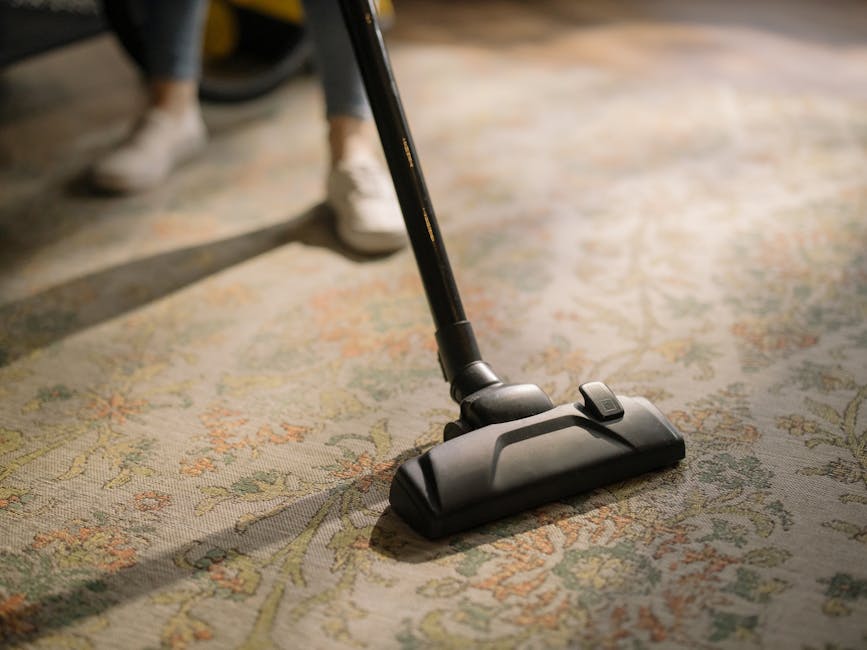
Broomfield Park rug cleaning guide for Southgate homes
If you live near Broomfield Park, you already know how quickly a rug can pick up everyday life: muddy shoes after a walk, a splash of tea, pet hair, the odd crumb trail, and that faint traffic dust that seems to appear out of nowhere. This Broomfield Park rug cleaning guide for Southgate homes is here to make the job feel manageable, not mysterious. Whether your rug is wool, synthetic, handmade, or a favourite statement piece that anchors the room, the right cleaning approach can help it look fresher, feel softer, and last longer.
The tricky bit is that rugs are not all the same. Some can handle a more thorough clean; others need a gentler touch and a bit of patience. So, rather than giving you vague "just clean it regularly" advice, this guide walks through what matters, how rug cleaning actually works, what to avoid, and when it makes sense to call in professional help. Straightforward, practical, and hopefully a bit of a relief.
Table of Contents
- Why Broomfield Park rug cleaning guide for Southgate homes Matters
- How Broomfield Park rug cleaning guide for Southgate homes Works
- Key Benefits and Practical Advantages
- Who This Is For and When It Makes Sense
- Step-by-Step Guidance
- Expert Tips for Better Results
- Common Mistakes to Avoid
- Tools, Resources and Recommendations
- Law, Compliance, Standards, or Best Practice
- Options, Methods, or Comparison Table
- Case Study or Real-World Example
- Practical Checklist
- Conclusion
- Frequently Asked Questions
Why Broomfield Park rug cleaning guide for Southgate homes Matters
A rug does a lot more than sit there looking nice. It absorbs footsteps, softens a room, reduces noise, and often becomes the first thing people notice when they walk in. In Southgate homes, especially around busy family rooms, hallways, and open-plan spaces, rugs can take a beating faster than people expect. That's why a clear rug cleaning routine matters.
There's also a comfort factor. A rug that looks dull, smells a bit stale, or feels sticky underfoot can quietly drag down a whole room. You may not notice it day to day, but the difference after a proper clean is often surprisingly obvious. Fresh fibres, better texture, a cleaner finish. It's one of those small home improvements that makes the place feel calmer.
For homes near Broomfield Park, there's a practical angle too. Outdoor foot traffic tends to bring in fine grit, damp residue, pollen, and general dirt from paths and green spaces. Even if your rug looks "mostly fine," soil can settle deep into the pile and gradually wear it down. That hidden grit is what shortens a rug's life. Not dramatic, just sneaky.
And let's face it: rugs are expensive to replace if you've bought one you actually like. A good cleaning approach protects that investment without turning your weekend into a cleaning marathon.
How Broomfield Park rug cleaning guide for Southgate homes Works
Rug cleaning is part inspection, part stain treatment, part fibre care. The basic idea is simple enough, but the order matters. You identify the rug's material, test how it reacts to moisture, remove loose debris, treat problem areas, and then clean in a way that suits the fibre rather than forcing one method on everything.
For most rugs, the process starts with dry soil removal. That means vacuuming both sides if possible, because dirt sits at the base of the pile and keeps grinding away whenever someone walks on it. Then comes a closer look: is there a food stain, pet mark, odour, colour bleed risk, fringe damage, or a backing that might dislike too much water? That early check can save a lot of trouble later.
Professional rug cleaning often uses one of a few approaches: hot water extraction for suitable rugs, low-moisture cleaning for more delicate items, hand-cleaning for sensitive pieces, or a specialised stain and odour treatment where needed. In a home setting, the aim is usually to clean thoroughly without over-wetting the rug or leaving residues behind. Nobody wants a clean rug that takes days to dry and then smells faintly musty. Been there, and it's not charming.
If you already use broader fabric care services in the home, you may find the same care mindset applies across surfaces. For example, a home that benefits from carpet cleaning often also needs more focused care for rugs, upholstery, and soft furnishings. And if the rug is part of a larger fabric refresh, it can make sense to look at upholstery cleaning or even sofa cleaning at the same time. That gives the room a more even finish rather than one item looking fresh and everything else staying tired.
Key Benefits and Practical Advantages
Good rug cleaning is not just about appearance, though appearance is a nice place to start. Done well, it can help with hygiene, comfort, smell, longevity, and the general feel of the room. Those benefits are easy to underestimate until you've had a proper clean and suddenly the room feels lighter. A bit annoying, really, because then you notice what you were living with before.
- Better appearance: Colours look brighter, patterns read more clearly, and the rug stops looking flat.
- Reduced grit and wear: Removing trapped soil helps protect fibres from abrasion.
- Improved indoor freshness: Regular cleaning helps cut down on stale odours from pets, food, or everyday damp.
- More comfortable texture: Clean fibres often feel softer underfoot, especially in natural piles.
- Longer rug life: Less embedded dirt means less fibre breakdown over time.
- Better room hygiene: Helpful in homes with children, pets, or high footfall.
One often-missed advantage is consistency. If you clean a rug before it gets badly marked, you usually avoid harsher treatment later. That means less risk, less cost, and less chance of damage from trying to rescue an item at the last minute. Small routine, bigger payoff.
Who This Is For and When It Makes Sense
This guide is useful for a few different kinds of Southgate households. If any of these sound familiar, you are probably in the right place.
- Families with young children: Spills happen. That's not a criticism, just life.
- Pet owners: Fur, dander, and occasional accidents make rug care more important.
- Busy commuters: Outdoor soil gets tracked in quickly, especially during wet weather.
- Homeowners with decorative or heirloom rugs: These often need gentler handling than standard floor coverings.
- Renters preparing for check-out: A tidy rug can improve the overall feel of a room, which matters when every detail is under inspection.
- Anyone dealing with lingering odours: Sometimes a rug holds onto smells long after the source has gone.
It also makes sense if your rug has had the same treatment for years: occasional hoovering, a quick spray here and there, maybe a spot clean if something obvious lands on it. That's common enough. But if the rug has started looking tired in daylight, or the pile feels different in high-traffic spots, it is probably ready for a more considered clean.
Truth be told, if you have to ask yourself whether it needs cleaning, it usually does.
Step-by-Step Guidance
Here's a practical sequence that works well for most home rugs. Keep it calm. No heroics.
- Check the label or fibre type. Wool, wool blends, synthetics, silk, jute, and viscose all behave differently. If you are unsure, treat the rug as delicate.
- Vacuum thoroughly. Go slowly and remove dry soil first. If the rug has fringe, use a gentler setting and avoid pulling fibres into the vacuum head.
- Test any cleaning product. Always test on a hidden area first. Colour loss or dye transfer is a real risk on some rugs.
- Deal with spots early. Blot, don't rub. Rubbing pushes the stain deeper and can fuzz the pile.
- Choose the right cleaning method. Use low moisture for delicate fibres and controlled wet cleaning only when suitable for the material.
- Rinse or remove residue. Leftover product can attract more dirt later, which is irritating and unnecessary.
- Dry properly. Airflow matters. Raise the rug if possible and keep the room ventilated.
- Brush or groom the pile. This helps the fibres sit neatly once dry.
If the rug is large, heavy, or awkward to move, professional help can save time and reduce the risk of dragging moisture into the backing. That is especially true for rugs with natural fibres or fragile edges.
For isolated marks, a targeted service like stain removal may be the smarter route than cleaning the entire rug from top to bottom. If the issue is pet-related, pet stain odour removal can be a more appropriate solution because the smell often sits below the visible surface. And if the rug is showing a lot of general wear, a fuller rug cleaning service may be the better option overall.
Expert Tips for Better Results
Little things make a noticeable difference. Honestly, more than people expect.
- Vacuum before spots set in: Loose debris can make stains spread when you add moisture.
- Use very little liquid at first: You can always add more. Removing too much moisture later is the annoying bit.
- Work from the outside in: This helps stop a stain from growing larger.
- Never scrub aggressively: It damages fibres and can distort the rug surface.
- Protect the backing: Too much water can weaken glue, loosen latex, or create creasing.
- Mind the fringe: Fringe is easy to tangle and easiest to over-clean. Go gently.
- Dry in layers if needed: For thicker rugs, lift air through the pile rather than leaving it flat for hours.
One practical tip from real homes: if you have a rug in a dining area, treat the spill immediately after meals, not "later on." The difference between a quick blot and a dried sugary patch is enormous. Same goes for muddy marks after a wet walk around Broomfield Park. A ten-minute response can save a lot of faff.
Also, if your rug sits over a hard floor, check underneath once it is dry. Sometimes moisture migrates more than expected, and you do not want a damp patch sitting quietly under the rug for half a day.
Common Mistakes to Avoid
Most rug damage does not happen because people neglect their rugs completely. It happens because they try to fix a problem quickly and do the wrong thing in a rush. That's the classic pattern.
- Using too much water: This can lead to slow drying, odour, backing damage, or colour movement.
- Scrubbing stains hard: It roughs up the pile and can spread the mark.
- Using one product for everything: What works on synthetic fibres may be too harsh for wool or natural blends.
- Skipping the test patch: A small hidden test is much cheaper than repairing a visible patch.
- Leaving residue behind: Sticky residue attracts fresh dirt very quickly.
- Drying too slowly: If a rug stays damp, smells can follow. Not always, but often enough to matter.
- Forgetting about the fringe or edges: These parts wear out first if they are handled roughly.
One small but common slip: people clean only the stain and forget the surrounding area. Then, after the rug dries, the treated spot stands out as a slightly cleaner halo. A little awkward. Blending the area more widely often gives a much better finish.
Tools, Resources and Recommendations
You do not need a truckload of specialist kit to keep a rug in decent condition. In many Southgate homes, a basic set of careful tools is enough for routine maintenance, and a professional service can handle the deeper work when required.
- A good vacuum cleaner: Preferably one with adjustable suction for delicate piles.
- White microfibre cloths: Useful for blotting stains without transferring dye.
- A gentle, rug-appropriate cleaner: Always match the cleaner to the fibre type where possible.
- Soft brush or grooming tool: Helpful for resetting the pile after drying.
- Fans or natural airflow: Vital for quicker drying in cooler UK weather.
- Protective underlay: Helps reduce movement and can limit wear on both rug and floor.
If you are weighing up whether to do it yourself or bring in a specialist, a useful rule of thumb is this: the more valuable, delicate, large, or heavily soiled the rug is, the more likely it is worth professional attention. That can include deep-cleaning services alongside related soft furnishing care such as steam carpet cleaning for nearby flooring, or curtain cleaning if the room needs a fuller refresh. A room often looks better when the fabrics are treated as a set rather than as isolated items.
If you want to understand the service provider before booking, it can also help to review about us, the company's approach to insurance and safety, and pricing and quotes so there are fewer surprises later on. That's not glamorous, but it is sensible.
Law, Compliance, Standards, or Best Practice
Rug cleaning in a home is not heavily regulated in the same way as some specialist trades, but there are still sensible UK best practices worth following. The first is straightforward: use products safely, follow the manufacturer's care guidance where available, and avoid any cleaning method that risks damage to the rug or the floor beneath it.
If you hire a professional cleaner, you would normally expect them to work with clear safety procedures, appropriate insurance, and transparent service terms. It is reasonable to ask how they handle fragile fibres, colour tests, drying, and stain treatment. A careful provider should be able to explain this in plain English, not just industry shorthand.
For households, that means a few practical checks:
- Confirm that the rug material suits the cleaning method being proposed.
- Ask about drying time, especially in colder months.
- Check whether the process is suitable for natural fibres, dyes, and fringes.
- Make sure any claims about stain removal are framed honestly, because some marks are permanent or only partly removable.
- Review policies if you are booking a service and want clarity on payment, cancellations, or aftercare.
For extra peace of mind, some homeowners also like to check general business information such as terms and conditions and payment and security. It sounds boring. It is boring. But boring can be useful when you want confidence before someone steps into your living room with cleaning equipment.
There is also a broader responsibility angle around waste handling and sustainability. If you are replacing worn rugs, or if professional cleaning uses disposable materials, a provider's approach to recycling and sustainability can be a decent sign of how carefully they operate.
Options, Methods, or Comparison Table
Choosing the right rug cleaning method depends on the fibre, the soil level, and the result you want. Here is a simple comparison to make the trade-offs easier to see.
| Method | Best for | Strengths | Watch-outs |
|---|---|---|---|
| Vacuum maintenance | Everyday care | Removes loose dirt, reduces wear, quick and easy | Will not remove deep stains or embedded odours |
| Spot cleaning | Fresh spills and local marks | Fast response, limits stain spread, low disruption | Can leave tide marks if not blended well |
| Low-moisture cleaning | Delicate or moisture-sensitive rugs | Less drying time, lower water risk | May need more careful product choice |
| Deep professional cleaning | Heavily soiled or valuable rugs | More thorough soil removal, better stain targeting | Requires the right method for the fibre and backing |
| Odour-focused treatment | Pet accidents and lingering smells | Addresses source beneath the surface, not just the visible mark | Needs proper diagnosis of the cause |
In plain terms, routine vacuuming keeps the rug healthy, spot cleaning handles the little emergencies, and deep cleaning is for when the rug needs proper attention. Most homes need a mix of all three, just at different times.
Case Study or Real-World Example
Here is a realistic example from a Southgate-style household situation, without dressing it up too much.
A family living near Broomfield Park had a medium-pile rug in the front room. It looked fine at a glance, but by late afternoon sunlight the traffic paths were obvious, especially near the sofa and the route to the hallway. There had also been one coffee spill and a few muddy footprints from a damp weekend walk. Nothing dramatic. Just enough to make the rug feel a bit tired.
They started with a careful vacuum, then handled the coffee mark with blotting and a small test patch. The deeper concern was the traffic lanes, which had a slightly dulled look that spot cleaning alone would never fix. A full rug clean was the better option, and because the room also had upholstered seating, they looked at a combined fabric refresh rather than treating each item separately. The overall effect was subtle but real: the colours looked fresher, the pile stood up better, and the room felt cleaner without looking overworked.
The main lesson? If a rug is looking flat rather than dirty, don't assume it only needs a quick wipe. Sometimes the issue is embedded soil, not just surface marks.
That kind of example comes up a lot. People expect one stain to be the whole problem, but the real issue is often background soil and repeated wear. Once you see that, the cleaning choice becomes much clearer.
Practical Checklist
Use this before cleaning a rug yourself or before arranging professional help.
- Check the fibre type and care label if available.
- Test the cleaner in a hidden corner first.
- Vacuum thoroughly on both sides where possible.
- Blot spills instead of rubbing them.
- Keep water use controlled and minimal at first.
- Make sure the rug can dry fully and evenly.
- Watch for dye transfer, fringe damage, or backing issues.
- Use stain-specific treatment for isolated marks.
- Consider odour-specific care if pets are involved.
- Book professional help for valuable, delicate, or heavily soiled rugs.
If you have made it this far, you probably already know whether your rug needs a light refresh or something more serious. Trust that instinct. It is usually right.
Get a free quote today and see how much you can save.
Conclusion
The best Broomfield Park rug cleaning guide for Southgate homes is not about complicated techniques or buying expensive products. It is about knowing your rug, cleaning it in the right order, and avoiding the small mistakes that shorten its life. The more care you give the fibres now, the better they tend to reward you later.
For everyday upkeep, regular vacuuming and quick spill response go a long way. For deeper dirt, odour, or delicate materials, a more considered clean is worth it. And if you want to approach it as part of a broader home refresh, there is value in thinking beyond the rug alone. Soft furnishings and carpets all influence how a room feels, and they tend to look best when the care is consistent.
In the end, a well-cleaned rug is one of those quiet wins that makes a home feel more settled. Nothing flashy. Just cleaner, calmer, and nicer to live with.
Frequently Asked Questions
How often should Southgate homes clean rugs?
It depends on foot traffic, pets, and whether the rug sits in a main living area. Busy homes usually benefit from more frequent maintenance vacuuming and periodic deeper cleaning.
Can I clean a wool rug at home?
Yes, but carefully. Wool can be sensitive to heat, moisture, and harsh cleaners, so a small test patch and a gentle approach are essential. If the rug is valuable, professional cleaning is usually safer.
What is the biggest mistake people make with rug cleaning?
Using too much water or scrubbing too hard. Both can damage fibres, spread stains, and leave the rug taking far too long to dry.
Why does my rug still smell after cleaning?
Odour can come from deeper in the pile or backing, especially if moisture or pet accidents have reached below the visible surface. In those cases, a specialist odour treatment may be needed.
Is steam cleaning safe for all rugs?
No. Some rugs can handle it well, while others are at risk of shrinkage, colour movement, or backing damage. The material and construction matter more than the label on the machine.
How do I know if a stain is permanent?
You often cannot know immediately. Some stains lighten a lot, some only partly, and some are permanent. A proper test and realistic expectations matter more than promises of perfection.
What should I do if my rug gets wet from a spill?
Blot it quickly, keep it flat if needed, and increase airflow. The goal is to remove moisture before it settles into the backing or causes odour.
Can rug cleaning help with allergies?
It can help reduce trapped dust, dander, and fine soil, which may make the room feel fresher. It is not a medical fix, but regular cleaning can improve general indoor hygiene.
Should I clean the whole rug or just the stain?
If the mark is small and fresh, spot treatment may be enough. But if the rug looks generally dull or uneven, a full clean often gives a better and more consistent result.
How long does a rug take to dry after cleaning?
Drying time varies depending on fibre type, thickness, weather, and airflow. A thick rug in a cool room can take much longer than a lighter synthetic rug with good ventilation.
What makes professional rug cleaning worth it?
Professional cleaning is often worth it when the rug is valuable, delicate, heavily soiled, or affected by odour or stubborn stains. It reduces the chance of making a costly mistake at home.
Can rug cleaning be combined with other home cleaning work?
Yes, and that often makes practical sense. If the room also needs carpet, sofa, curtain, or upholstery care, a coordinated approach can make the whole space feel more even and refreshed.